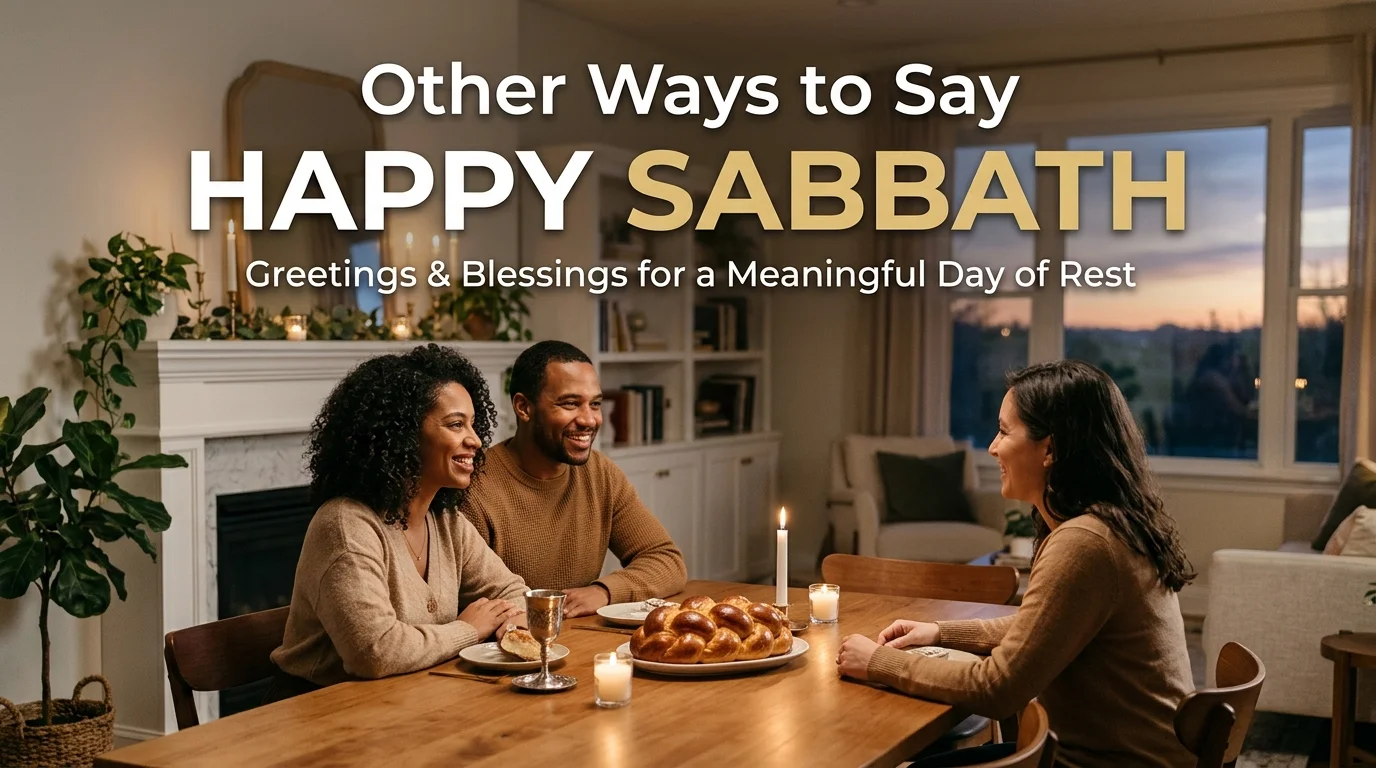
The Sabbath is a meaningful time of rest, reflection, worship, and spiritual connection for many people. When the Sabbath arrives, people often greet family members, friends, fellow worshipers, and members of their faith community with the words “Happy Sabbath.” This simple greeting expresses goodwill and recognizes the importance of setting aside time for spiritual renewal and peace.
Although “Happy Sabbath” is a warm and widely understood expression in many Sabbath-observing communities, there are plenty of other ways to share the same sentiment. You might say “Have a blessed Sabbath,” “Wishing you a peaceful Sabbath,” or “May your Sabbath be filled with joy and rest.” Each expression has its own tone, from casual and friendly to thoughtful and spiritual.
Learning different ways to say “Happy Sabbath” can help you choose a greeting that feels natural for the person you are addressing. A short text to a friend may call for a cheerful message, while a greeting to a church member or religious leader may feel more appropriate with respectful, faith-centered wording. You may also want a message that emphasizes rest, prayer, family, gratitude, or blessings.
In this article, you will discover more than 25 alternatives to “Happy Sabbath,” along with explanations, examples, and practical advice on when to use each expression. Whether you are greeting someone in person, writing a message, posting on social media, or sending a thoughtful note to your faith community, these phrases will help you share warm and meaningful wishes.
What Does “Happy Sabbath” Mean?
“Happy Sabbath” is a greeting used to wish someone a joyful, peaceful, or spiritually meaningful Sabbath. The Sabbath is a day or period set aside for rest and religious observance in several faith traditions.
In Judaism, Shabbat begins on Friday evening and ends after nightfall on Saturday. Many Christian communities observe the Sabbath on Saturday, while some Christians traditionally set aside Sunday for worship and rest. The meaning and practices associated with Sabbath observance vary among religious communities.
When someone says “Happy Sabbath,” they are generally expressing a wish that the other person experiences peace, rest, happiness, or spiritual renewal during this special time.
For example:
“Happy Sabbath! I hope you have a peaceful day filled with worship, rest, and time with your loved ones.”
The greeting is more than a casual expression for many people. It can reflect shared beliefs, community belonging, and respect for a sacred period of rest.
Why Use Different Ways to Say “Happy Sabbath”?
Using alternative greetings allows you to express your wishes in a way that suits the occasion and your relationship with the recipient.
Here are a few reasons to choose different expressions:
- To express a specific wish: “Have a peaceful Sabbath” emphasizes rest, while “Have a blessed Sabbath” highlights spiritual blessings.
- To sound more personal: A thoughtful message can show that you care about someone’s well-being.
- To match the occasion: A quick text may call for a short greeting, while a message to a religious leader may benefit from a more respectful tone.
- To share encouragement: Words about peace, gratitude, and renewal can help someone approach the Sabbath with a positive mindset.
- To avoid repetitive greetings: Different expressions help your messages feel fresh and sincere.
- To respect individual traditions: Some people prefer greetings that emphasize blessings or worship, while others appreciate simple wishes for rest and peace.
The best greeting is one that feels sincere and respects the recipient’s beliefs and practices.
1. Common Alternatives to “Happy Sabbath”
These expressions are easy to understand and suitable for many everyday situations. They work well when greeting friends, family members, neighbors, or fellow members of a faith community.
1. Have a Blessed Sabbath
Meaning: This greeting expresses a wish that the recipient experiences spiritual blessings, peace, and goodness during the Sabbath.
When to use it: Use it when greeting someone who appreciates religious language. It is appropriate for conversations at church, messages to friends, or greetings shared with fellow worshipers.
Tone: Warm, friendly, and faith-centered.
Examples:
- “Have a blessed Sabbath! May your day be filled with peace and gratitude.”
- “Wishing you and your family a blessed Sabbath.”
This is one of the most versatile alternatives to “Happy Sabbath.” It keeps the spiritual meaning of the original greeting while adding an explicit wish for blessings.
2. Have a Peaceful Sabbath
Meaning: This phrase wishes someone a calm and restful Sabbath.
When to use it: Use it when you want to emphasize relaxation, quiet reflection, and freedom from everyday stress.
Tone: Gentle, friendly, and thoughtful.
Examples:
- “Have a peaceful Sabbath. I hope you get some time to rest and recharge.”
- “Wishing you a peaceful Sabbath filled with quiet moments and meaningful reflection.”
This expression is especially suitable for people who value the Sabbath as a time to slow down and reconnect with what matters most.
3. Wishing You a Wonderful Sabbath
Meaning: This greeting expresses a general wish for the recipient to have a positive and meaningful Sabbath.
When to use it: Use it in messages to friends, family members, acquaintances, or members of your religious community.
Tone: Friendly, polite, and positive.
Examples:
- “Wishing you a wonderful Sabbath with your loved ones.”
- “I hope you have a wonderful Sabbath filled with joy, rest, and gratitude.”
“Wonderful” is less specifically religious than “blessed.” It is a good option when you want a warm greeting without making the message too formal or elaborate.
4. Enjoy Your Sabbath
Meaning: This phrase encourages someone to enjoy their time of rest, worship, or reflection.
When to use it: Use it in everyday conversations, text messages, or as you say goodbye to someone before the Sabbath begins.
Tone: Casual, friendly, and natural.
Examples:
- “Enjoy your Sabbath! I hope you have a relaxing day.”
- “It was great seeing you today. Enjoy your Sabbath with your family.”
This greeting is short and easy to use. It works particularly well when you want to sound natural rather than overly formal.
5. May You Have a Restful Sabbath
Meaning: This expression wishes the recipient a Sabbath that provides physical and emotional rest.
When to use it: Use it when someone has had a busy week or could benefit from time away from work and daily responsibilities.
Tone: Thoughtful, gentle, and polite.
Examples:
- “May you have a restful Sabbath and return to the week feeling refreshed.”
- “Wishing you a restful Sabbath filled with quiet moments and peace.”
This greeting focuses on rest rather than celebration. It is a thoughtful choice for someone who needs time to recharge.
2. Spiritual and Faith-Centered Alternatives
These greetings place greater emphasis on faith, worship, gratitude, and spiritual renewal. They are suitable for religious friends, family members, and communities that welcome faith-based language.
6. May God Bless Your Sabbath
Meaning: This phrase expresses a prayerful wish for God’s blessing during the Sabbath.
When to use it: Use it when speaking with someone who welcomes explicit references to God and shares or respects your religious outlook.
Tone: Spiritual, warm, and respectful.
Examples:
- “May God bless your Sabbath and fill your heart with peace.”
- “May God bless you and your family with a meaningful Sabbath.”
This greeting is more explicitly religious than “Happy Sabbath.” It can be especially appropriate in a faith community, although the recipient’s beliefs should guide your choice.
7. May Your Sabbath Be Filled With God’s Peace
Meaning: This expression wishes someone spiritual comfort and peace through their faith.
When to use it: Use it in a thoughtful message, a religious greeting card, or a conversation with someone who appreciates prayerful encouragement.
Tone: Spiritual, compassionate, and sincere.
Examples:
- “May your Sabbath be filled with God’s peace and love.”
- “I pray that your Sabbath brings you comfort, hope, and a renewed sense of faith.”
This phrase is particularly suitable when you want to offer encouragement rather than simply exchange a greeting.
8. Have a Spiritually Refreshing Sabbath
Meaning: This greeting wishes someone a Sabbath that renews their faith, perspective, and inner strength.
When to use it: Use it when someone plans to attend worship, spend time in prayer, study religious texts, or reflect on their beliefs.
Tone: Spiritual, thoughtful, and encouraging.
Examples:
- “Have a spiritually refreshing Sabbath as you take time for worship and reflection.”
- “May this be a spiritually refreshing Sabbath that strengthens your faith.”
This expression emphasizes spiritual growth rather than general happiness or physical rest.
9. May Your Sabbath Bring You Closer to God
Meaning: This phrase expresses the hope that the Sabbath deepens the recipient’s spiritual connection.
When to use it: Use it in faith-based messages, devotional settings, or conversations with people who value spiritual growth.
Tone: Reverent, encouraging, and faith-centered.
Examples:
- “May your Sabbath bring you closer to God and fill your heart with gratitude.”
- “Wishing you a meaningful Sabbath as you spend time in prayer and reflection.”
Because it expresses a specific spiritual hope, this greeting is best suited to someone who welcomes this kind of religious message.
10. May Your Sabbath Be Full of Grace
Meaning: This expression wishes someone a Sabbath characterized by grace, kindness, spiritual comfort, and gratitude.
When to use it: Use it in a religious greeting, a thoughtful text, or a note to someone in your faith community.
Tone: Gentle, spiritual, and uplifting.
Examples:
- “May your Sabbath be full of grace, peace, and gratitude.”
- “Wishing you a beautiful Sabbath surrounded by God’s grace.”
“Grace” carries different theological meanings across religious traditions. In Christian settings, it often refers to God’s generous love and favor, so the phrase can feel particularly meaningful there.
11. May Your Sabbath Be a Time of Spiritual Renewal
Meaning: This greeting wishes someone an opportunity to renew their faith, reflect on their beliefs, and regain spiritual strength.
When to use it: Use it in a devotional message, a religious newsletter, or a personal greeting before a Sabbath service.
Tone: Reflective, spiritual, and respectful.
Examples:
- “May your Sabbath be a time of spiritual renewal and deeper reflection.”
- “Wishing you a Sabbath that restores your spirit and strengthens your faith.”
This phrase is particularly useful when the recipient values the Sabbath as a time for prayer, worship, and thoughtful reflection.
3. Formal and Respectful Alternatives
Formal greetings can be useful when addressing a religious leader, a senior member of a congregation, or a group in an official message. They are also appropriate for announcements and community communications.
12. Wishing You a Blessed and Peaceful Sabbath
Meaning: This expression combines a wish for spiritual blessings with a wish for calm and rest.
When to use it: Use it in formal emails, greeting cards, community announcements, or messages to people you do not know well.
Tone: Respectful, warm, and moderately formal.
Examples:
- “Wishing you a blessed and peaceful Sabbath.”
- “We wish you and your family a blessed and peaceful Sabbath filled with rest and reflection.”
This is a good all-purpose greeting when you want to be both respectful and warm.
13. May You Find Peace and Rest This Sabbath
Meaning: This phrase wishes someone calm, rest, and relief from the pressures of everyday life.
When to use it: Use it in a formal greeting, a supportive message, or a note to someone who has experienced a stressful period.
Tone: Polite, compassionate, and thoughtful.
Examples:
- “May you find peace and rest this Sabbath.”
- “We hope this Sabbath offers you time for reflection, comfort, and renewal.”
The phrase does not require an explicitly religious reference, making it suitable for a wider range of Sabbath-observing recipients.
14. Please Accept My Warm Wishes for the Sabbath
Meaning: This formal expression conveys respectful good wishes for the recipient’s Sabbath.
When to use it: Use it in formal correspondence or when addressing someone with whom you have a professional or official relationship.
Tone: Formal, courteous, and respectful.
Examples:
- “Please accept my warm wishes for the Sabbath.”
- “Please accept my warm wishes for a peaceful and meaningful Sabbath.”
This wording is more formal than most everyday greetings. It may sound too stiff for a close friend, but it can work in a letter or official message.
15. Wishing You a Meaningful Sabbath Observance
Meaning: This phrase wishes someone a spiritually significant and fulfilling observance of the Sabbath.
When to use it: Use it when addressing a religious community or someone whose observance is an important part of their faith.
Tone: Formal, respectful, and thoughtful.
Examples:
- “Wishing you a meaningful Sabbath observance filled with reflection and peace.”
- “We wish everyone in the congregation a meaningful and peaceful Sabbath.”
“Observance” emphasizes the religious practices associated with the Sabbath. It is more formal than simply saying “Have a good Sabbath.”
4. Friendly Alternatives for Friends and Family
When greeting someone close to you, a personal and affectionate message can feel more natural than a formal expression.
16. Have a Beautiful Sabbath
Meaning: This phrase wishes someone a Sabbath filled with positive experiences, peace, and happiness.
When to use it: Use it when speaking to friends, relatives, or members of your religious community.
Tone: Friendly, warm, and cheerful.
Examples:
- “Have a beautiful Sabbath! I hope you enjoy every peaceful moment.”
- “Wishing you a beautiful Sabbath surrounded by family, love, and gratitude.”
“Beautiful” gives the greeting a warm, expressive quality without making it overly formal.
17. Sending You Sabbath Blessings
Meaning: This expression communicates goodwill and spiritual encouragement.
When to use it: Use it in a text message, greeting card, social media post, or personal note to someone who appreciates religious language.
Tone: Warm, friendly, and spiritual.
Examples:
- “Sending you Sabbath blessings and wishes for a peaceful day.”
- “Sabbath blessings to you and your family. May your day be filled with joy.”
This is a natural choice for a short, affectionate message. It sounds more personal than a formal greeting.
18. Wishing You Joy and Peace This Sabbath
Meaning: This phrase expresses the hope that the recipient experiences happiness and inner peace during the Sabbath.
When to use it: Use it when you want to offer a thoughtful greeting to a friend, family member, or fellow worshiper.
Tone: Friendly, caring, and uplifting.
Examples:
- “Wishing you joy and peace this Sabbath.”
- “May your Sabbath bring you joy, peace, and plenty of reasons to be grateful.”
This greeting balances happiness with calm reflection, making it suitable for many Sabbath-related occasions.
19. Have a Lovely Sabbath With Your Loved Ones
Meaning: This phrase wishes someone an enjoyable Sabbath with the people they care about.
When to use it: Use it when you know the person plans to spend time with family or friends.
Tone: Friendly, affectionate, and polite.
Examples:
- “Have a lovely Sabbath with your loved ones!”
- “Wishing you a lovely Sabbath full of family time, laughter, and peace.”
This expression emphasizes relationships and togetherness rather than focusing only on religious observance.
20. Enjoy a Sabbath Full of Love and Gratitude
Meaning: This greeting encourages the recipient to appreciate meaningful relationships and the good things in life.
When to use it: Use it in a personal message, a faith-community greeting, or a social media post.
Tone: Warm, uplifting, and reflective.
Examples:
- “Enjoy a Sabbath full of love and gratitude.”
- “May your Sabbath be filled with love, gratitude, and moments that bring you joy.”
This is a thoughtful alternative when you want to encourage a positive and reflective mindset.
FAQs
1. What is another way to say “Happy Sabbath”?
Some common alternatives are “Have a blessed Sabbath,” “Have a peaceful Sabbath,” “Wishing you a wonderful Sabbath,” and “Enjoy your Sabbath.” Choose one based on whether you want to emphasize blessings, peace, happiness, or rest.
2. Is “Have a blessed Sabbath” appropriate?
Yes. “Have a blessed Sabbath” is a warm, faith-centered greeting used in many Sabbath-observing communities. It is particularly suitable when the recipient welcomes religious language.
3. What is a short way to say “Happy Sabbath”?
You can say “Blessed Sabbath,” “Peaceful Sabbath,” “Sabbath blessings,” or “Enjoy your Sabbath.” These expressions work well in text messages, group chats, and everyday conversations.
4. How do you wish someone a peaceful Sabbath?
You can say, “Wishing you a peaceful Sabbath,” “May you have a restful Sabbath,” or “May your Sabbath bring you peace and renewal.” These greetings emphasize calm, reflection, and rest.
5. Can I say “Happy Sabbath” to someone who is Jewish?
You can greet a Jewish person in a way that respects their own tradition and preferences. “Shabbat Shalom,” a Hebrew greeting meaning roughly “Sabbath peace,” is widely used in Jewish communities. “Happy Sabbath” may also be understood, but “Shabbat Shalom” is generally the more tradition-specific greeting.
6. What is the difference between “Happy Sabbath” and “Shabbat Shalom”?
“Happy Sabbath” expresses a wish for a joyful Sabbath. “Shabbat Shalom” means “Sabbath peace” and is a traditional Jewish greeting associated with Shabbat, the Jewish Sabbath. The expressions overlap in purpose, but they reflect different linguistic and cultural traditions.
7. How can I wish my family a blessed Sabbath?
You could say, “Wishing our family a blessed Sabbath filled with love, peace, and gratitude,” or “May God bless our family with a peaceful and meaningful Sabbath.” Choose wording that reflects your family’s beliefs and the way you normally communicate.
Conclusion
There are many thoughtful ways to say “Happy Sabbath,” and each expression can communicate a slightly different wish. “Have a blessed Sabbath” is a warm, faith-centered option, while “Have a peaceful Sabbath” emphasizes calm and rest. “Wishing you a wonderful Sabbath” works well as a general greeting, and “Enjoy your Sabbath” is a natural choice for everyday conversations.
For a more spiritual message, you can say “May God bless your Sabbath” or “May this Sabbath restore your spirit.” For a formal greeting, consider “Wishing you a blessed and peaceful Sabbath.” If you are sending a quick text, “Blessed Sabbath!” or “Sabbath blessings!” may be all you need.
The most important thing is to choose a greeting that fits the recipient, respects their beliefs, and expresses your wishes sincerely. Whether you emphasize peace, blessings, family, rest, or spiritual renewal, a thoughtful Sabbath greeting can help you share kindness and strengthen your connection with others.